
Delving into the realm of metal roof installation cost unveils a plethora of key factors, detailed breakdowns, various methods, and essential cost-saving tips. This comprehensive guide aims to shed light on the intricate world of metal roof installation expenses, providing a valuable resource for those seeking clarity and insight.
As we navigate through the nuances of metal roof installation costs, readers are invited to explore the multifaceted aspects that govern pricing and decision-making in this domain.
Factors influencing metal roof installation cost
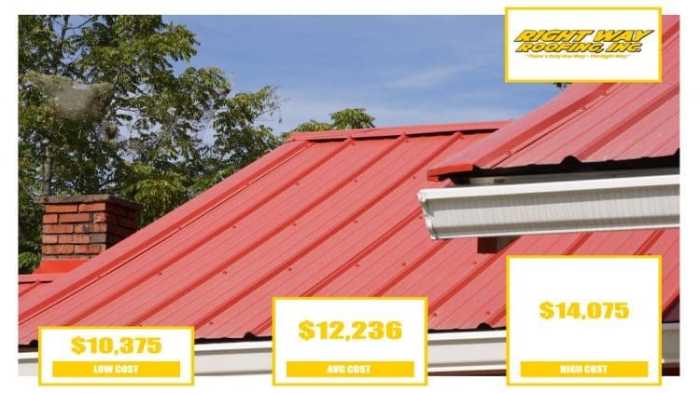
Metal roof installation costs can vary significantly depending on several key factors. These factors can include the type of metal material used, the size of the roof, the roof pitch, the complexity of the roof structure, and the geographic location of the property.
Types of Metal Roof Materials
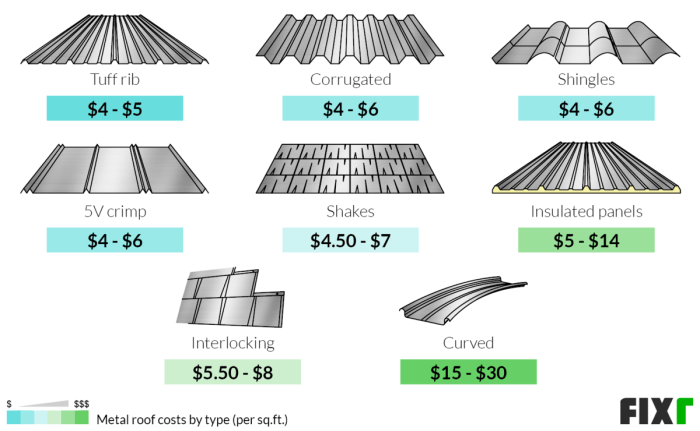
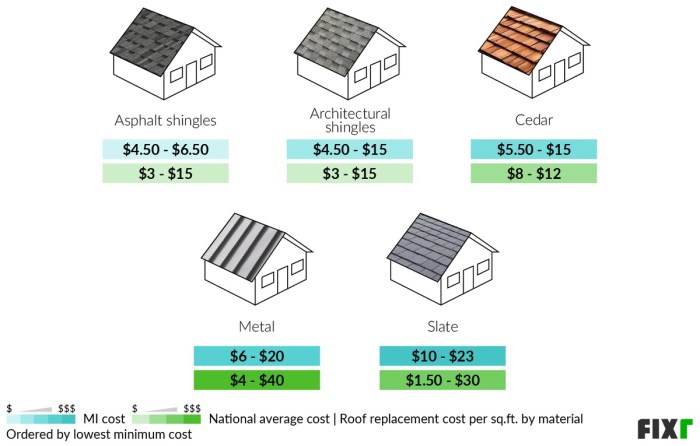
When it comes to metal roof materials, different options such as steel, aluminum, and copper can have varying costs associated with them. Steel is often the most cost-effective option, while copper tends to be more expensive due to its durability and aesthetic appeal.
Aluminum falls somewhere in between in terms of cost, offering a good balance between price and quality.
Roof Size and Pitch
The size of the roof plays a significant role in determining installation costs. Larger roofs will require more materials and labor, leading to higher overall costs. Additionally, the pitch of the roof can impact installation costs, as steeper roofs may require more safety precautions and specialized equipment, increasing the overall expenses.
Complexity of Roof Structure
Roofs with complex structures, multiple angles, or unique architectural features can also drive up installation costs. These types of roofs may require more time and expertise to install properly, leading to higher labor costs. It's important to consider the complexity of the roof design when estimating installation expenses.
Geographic Location
The geographic location of the property can also influence metal roof installation costs. Factors such as local labor rates, building codes, and weather conditions can all impact the overall price of installation. Properties in areas with higher labor costs or strict building regulations may incur higher installation expenses compared to other locations.
Cost breakdown of metal roof installation
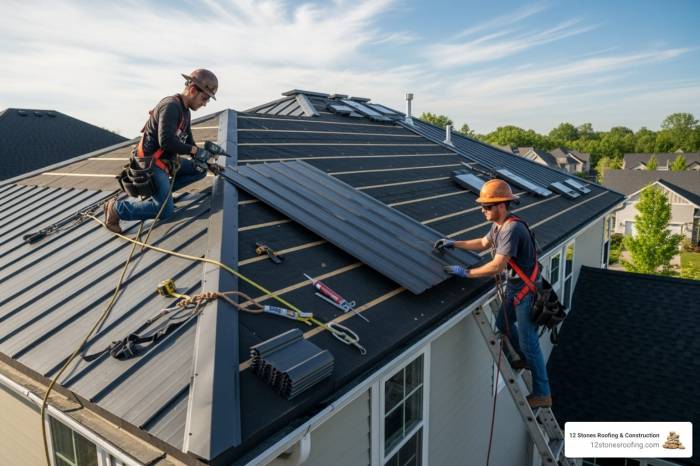
Metal roof installation costs can vary depending on several factors, including materials, labor, permits, and additional expenses. The quality of materials used can significantly impact the overall cost of installation, as can the presence of warranties. Let's break down these costs in more detail.
Materials
When it comes to metal roof installation, the type and quality of materials used play a crucial role in determining the total cost. Higher-quality materials, such as premium metal panels or specialized coatings, can be more expensive but offer better durability and longevity.
On the other hand, opting for lower-quality materials may result in a lower upfront cost but could lead to more frequent repairs and replacements in the long run.
Labor
The cost of labor for metal roof installation can also vary depending on factors such as the complexity of the project, the size of the roof, and the experience of the roofing contractors. Generally, skilled labor comes at a higher price, but it ensures that the installation is done correctly and efficiently.
It's important to factor in labor costs when budgeting for a metal roof installation project.
Permits and Additional Expenses
In addition to materials and labor, there are other costs to consider when installing a metal roof. This includes obtaining permits from local authorities, which may incur fees. Other additional expenses could include the need for specialized equipment or tools, disposal of old roofing materials, or unexpected repairs.
These costs should be factored into the overall budget to avoid any surprises during the installation process.
Role of Warranties
Warranties can also impact the total cost of metal roof installation. Some manufacturers offer warranties on their metal roofing materials, which can provide peace of mind and potentially save money on future repairs or replacements. However, these warranties may come at an additional cost, so it's essential to weigh the benefits against the upfront price when making a decision.
Installation methods and their impact on cost
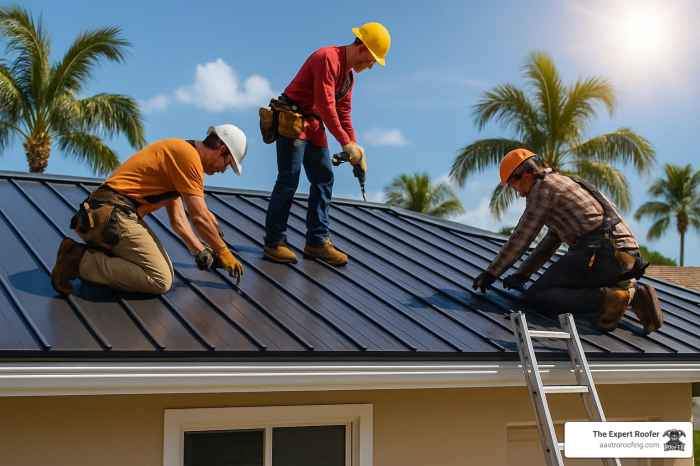
Metal roof installation costs can vary depending on the method used. Let's explore different installation methods and how they affect the overall cost of the project.
Standing Seam Roofs
Standing seam roofs involve interlocking panels that run vertically along the roof. This method is known for its durability and sleek appearance. However, the initial cost of materials and installation for standing seam roofs tends to be higher compared to other methods due to the specialized equipment and expertise required.
Metal Shingle Roofs
Metal shingle roofs mimic the look of traditional asphalt shingles but offer the durability and longevity of metal. While metal shingle roofs are more affordable than standing seam roofs, they still require precision installation to ensure proper sealing and weatherproofing.
The cost of labor for this method can vary depending on the complexity of the roof design.
Metal Tile Roofs
Metal tile roofs combine the aesthetic appeal of clay or concrete tiles with the durability of metal. The installation process for metal tile roofs can be labor-intensive, especially if the tiles need to be individually placed. This method may have a higher upfront cost due to the intricate installation process and the need for skilled labor.Overall, each installation method offers its own set of pros and cons in terms of cost-effectiveness.
While standing seam roofs may have a higher initial cost, they require minimal maintenance and have a longer lifespan. Metal shingle roofs provide a balance between cost and durability, making them a popular choice for homeowners. Metal tile roofs offer a unique look but may require more labor and expertise during installation, potentially increasing the overall cost of the project.
Cost-saving tips for metal roof installation
Metal roof installation can be a significant investment, but there are several strategies to reduce costs without compromising quality. Whether you're considering a DIY approach or hiring professionals, here are some cost-saving tips to keep in mind.
Consider DIY Installation
If you have some experience with roofing projects and the necessary tools, opting for a DIY installation can save you a significant amount of money. Keep in mind that installing a metal roof requires precision and attention to detail, so make sure you're confident in your abilities before taking on the project.
Negotiate with Contractors and Suppliers
When hiring professionals for the installation, don't hesitate to negotiate with contractors to get the best possible price. Obtain multiple quotes from different companies and compare their offerings. Additionally, try to negotiate with suppliers for discounts on materials to further reduce costs.
Opt for Cost-effective Materials and Accessories
Choosing cost-effective metal roofing materials and accessories can help lower the overall installation costs. Look for deals on high-quality but budget-friendly options that meet your requirements. Keep in mind that certain finishes or styles may cost more, so opt for simpler designs to save money.
Plan Ahead and Minimize Waste
Proper planning is key to reducing unnecessary expenses during the installation process. Calculate the exact amount of materials needed and minimize waste by cutting panels accurately. By avoiding over-ordering and carefully measuring before installation, you can save money on excess materials.
Maintenance and Longevity
Investing in regular maintenance and upkeep of your metal roof can extend its lifespan and prevent costly repairs in the future. By taking proactive measures to care for your roof, you can avoid premature replacements and save money in the long run.
Final Conclusion
In conclusion, understanding the intricacies of metal roof installation cost empowers homeowners and contractors alike to make informed choices and strategic decisions. By incorporating the insights gleaned from this discussion, individuals can navigate the landscape of metal roof expenses with confidence and clarity.
FAQ Summary
What factors influence the cost of metal roof installation?
Key factors include roof size, roof pitch, complexity of the roof structure, geographic location, and choice of metal material.
How does the quality of materials impact the overall cost of installation?
Higher quality materials typically come at a higher cost but may offer better durability and longevity, influencing the overall installation cost.
What are some cost-saving tips for metal roof installation?
Strategies include negotiating with contractors, considering DIY installation for savings, and exploring different metal roof materials for cost-effectiveness.