
Embarking on the journey of eco friendly roof installation opens up a world of environmentally conscious choices that not only benefit your home but also the planet. From energy savings to improved indoor air quality, the advantages are manifold. Let's delve into the realm of eco-friendly roofing and explore the possibilities it offers.
Benefits of Eco-Friendly Roof Installation
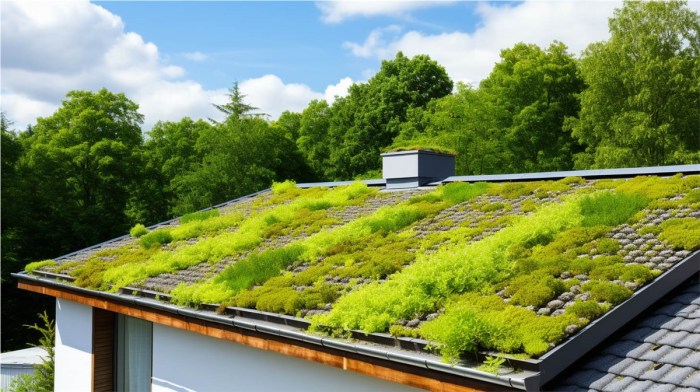
Eco-friendly roof installations offer numerous advantages, not only for the environment but also for homeowners looking to save on energy costs and improve indoor air quality.
Environmental Advantages
Eco-friendly roofs help reduce the carbon footprint of buildings by promoting energy efficiency and sustainability. By using materials that reflect sunlight and absorb less heat, these roofs can help lower overall energy consumption and decrease the demand for air conditioning during hot summer months.
Energy Savings
One of the key benefits of eco-friendly roof installations is the significant energy savings they can provide. By reducing the amount of heat absorbed by the roof, homeowners can experience lower cooling costs in the summer and less strain on their HVAC systems.
Improved Indoor Air Quality
Eco-friendly roofs can also contribute to better indoor air quality by reducing the amount of pollutants that can enter the home. By using materials that are less likely to off-gas harmful chemicals or trap moisture, these roofs can help create a healthier living environment for residents.
Types of Eco-Friendly Roofing Materials
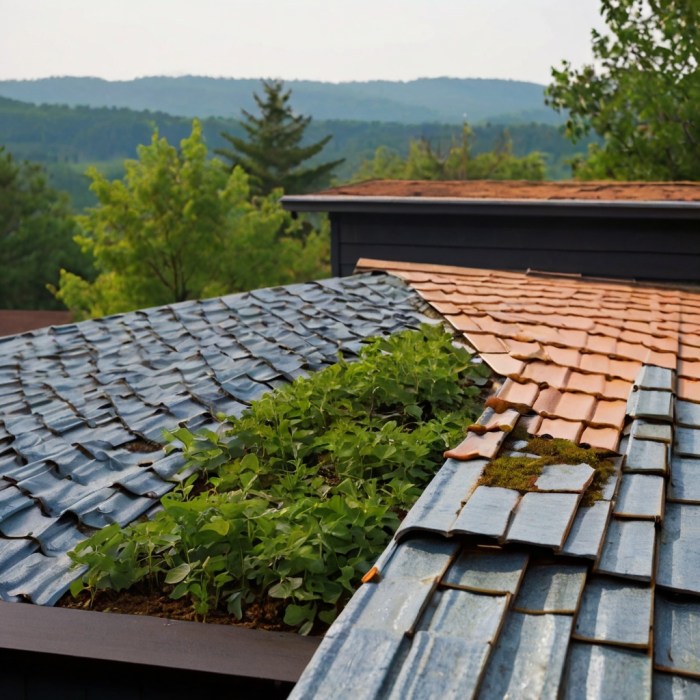
When it comes to eco-friendly roofing materials, there are several options available that offer sustainability and energy efficiency benefits for your home. These materials are not only good for the environment but also provide long-lasting and cost-effective solutions for homeowners.
Solar Panels
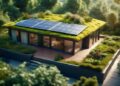
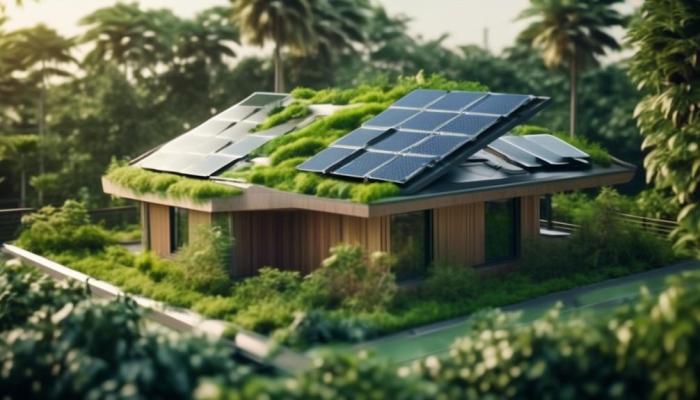
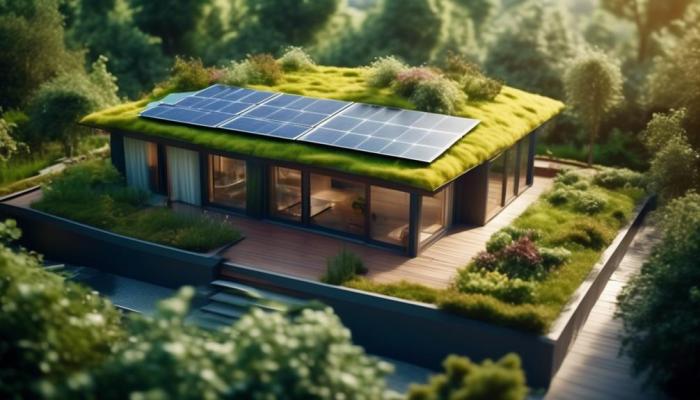
Solar panels are a popular eco-friendly roofing option that harnesses the power of the sun to generate electricity for your home. While the initial cost of installation can be high, solar panels are extremely durable and can significantly reduce your energy bills over time, making them a cost-effective choice in the long run.
Green Roofs
Green roofs, also known as living roofs, are roofs covered with vegetation that help reduce energy costs by providing natural insulation and absorbing rainwater. These roofs are durable and can last longer than traditional roofing materials, making them a sustainable and environmentally friendly option for homeowners.
Recycled Shingles
Recycled shingles are made from materials like rubber, plastic, or wood fibers that have been recycled from other products. These shingles are durable, cost-effective, and come in a variety of styles and colors to suit your home's aesthetic. They are a great eco-friendly option for homeowners looking to reduce their environmental impact.
Metal Roofing
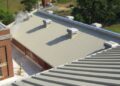
Metal roofing is another eco-friendly option that is long-lasting, recyclable, and energy-efficient. While the initial cost of metal roofing may be higher than traditional materials, it can save you money in the long run due to its durability and energy-saving properties.
Metal roofs are also lightweight, reducing the strain on the underlying structure of your home.
Clay or Concrete Tiles
Clay or concrete tiles are natural, eco-friendly roofing materials that are durable, energy-efficient, and fire-resistant. While these materials may have a higher upfront cost, they have a long lifespan and require minimal maintenance, making them a cost-effective choice for homeowners in the long term.
Installation Process for Eco-Friendly Roofs
When it comes to installing eco-friendly roofs, there are several key steps that need to be followed to ensure a successful and sustainable outcome. Proper insulation and attention to detail are crucial in the installation process to maximize the benefits of eco-friendly roofing materials.
Importance of Proper Insulation
Proper insulation is essential when installing eco-friendly roofs as it helps regulate the temperature inside the building, reducing the need for heating and cooling. This not only saves energy but also reduces utility costs and minimizes the overall environmental impact of the building.
Insulation also helps prevent heat loss in the winter and heat gain in the summer, creating a more comfortable indoor environment.
Tips for Ensuring a Leak-Proof Installation
- Ensure that the roof surface is clean and free of any debris before installing eco-friendly roofing materials.
- Use high-quality waterproofing membranes to prevent leaks and water damage.
- Pay attention to detail when sealing seams and edges to prevent water infiltration.
- Regularly inspect and maintain the roof to address any potential issues before they escalate.
- Consider hiring a professional roofing contractor with experience in installing eco-friendly roofs to ensure a leak-proof installation.
Maintenance and Longevity of Eco-Friendly Roofs
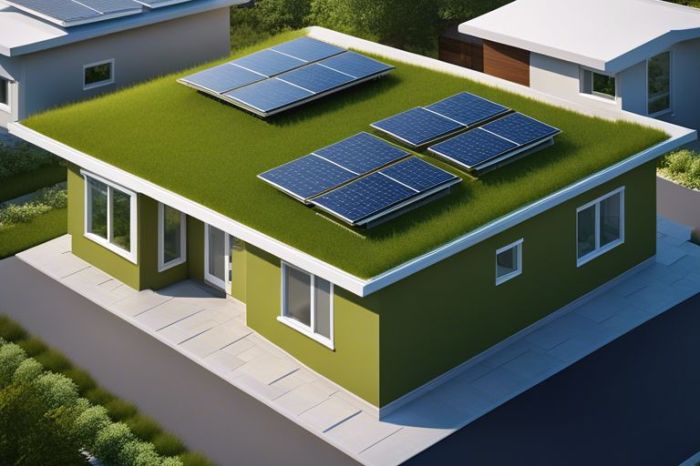
Eco-friendly roofs are designed to be durable and long-lasting, but they still require regular maintenance to ensure their longevity. Proper maintenance not only extends the lifespan of the roof but also helps it maintain its eco-friendly properties. Here are some key points to consider when it comes to maintaining and prolonging the lifespan of eco-friendly roofs:
Maintenance Requirements for Eco-Friendly Roofs
- Regular cleaning: Remove debris, dirt, and leaves from the roof surface to prevent moisture buildup and mold growth.
- Check for damage: Inspect the roof for any signs of damage such as cracks, leaks, or loose shingles, and repair them promptly.
- Trim overhanging branches: Trim tree branches that hang over the roof to prevent damage from falling limbs and leaves.
- Monitor drainage: Ensure that gutters and downspouts are clear of debris to allow proper water drainage and prevent water pooling on the roof.
Prolonging the Lifespan of an Eco-Friendly Roof
- Regular inspections: Schedule annual inspections by a professional to identify any issues early and address them before they escalate.
- Preventative maintenance: Stay proactive by addressing minor repairs and maintenance tasks to prevent larger issues from arising.
- Use eco-friendly cleaning solutions: When cleaning the roof, opt for environmentally friendly products to avoid harmful chemicals that can damage the roof or the environment.
- Professional maintenance: Consider hiring a professional roofing company with experience in eco-friendly roofs to perform regular maintenance and repairs.
Role of Regular Inspections in Preserving Eco-Friendliness
Regular inspections play a crucial role in preserving the eco-friendliness of the roof by allowing for early detection of any issues that could compromise its green features. By identifying and addressing problems promptly, you can ensure that your eco-friendly roof continues to function efficiently and sustainably for years to come.
Final Summary
In conclusion, eco-friendly roof installation is not just a trend but a sustainable solution for a greener future. By choosing eco-friendly roofing materials, following proper installation practices, and ensuring regular maintenance, you can enjoy a roof that not only protects your home but also contributes to a healthier environment.
Make the switch to eco-friendly roofs today and embrace a more sustainable way of living.
Top FAQs
What are the main benefits of eco-friendly roof installation?
Eco-friendly roofs offer environmental advantages, energy savings, and improved indoor air quality.
What types of eco-friendly roofing materials are available?
Options include recycled shingles, metal roofs, green roofs, and solar panels.
How can I ensure a leak-proof eco-friendly roof installation?
Proper insulation, attention to detail during installation, and regular maintenance are key.