
Delve into the world of roof replacement financing cost as we uncover the intricacies and factors that play a role in determining the expenses involved. This informative guide aims to shed light on the various financing options available and how they impact the overall cost, providing readers with valuable insights for their roofing projects.
Understand the Costs Involved
When considering roof replacement financing, it is crucial to understand the costs involved to make an informed decision. Here, we will explore the typical expenses associated with financing a roof replacement and the factors that influence these costs.:
Factors Influencing Cost of Roof Replacement Financing
- The size and complexity of the roof: Larger roofs or those with intricate designs may require more materials and labor, leading to higher costs.
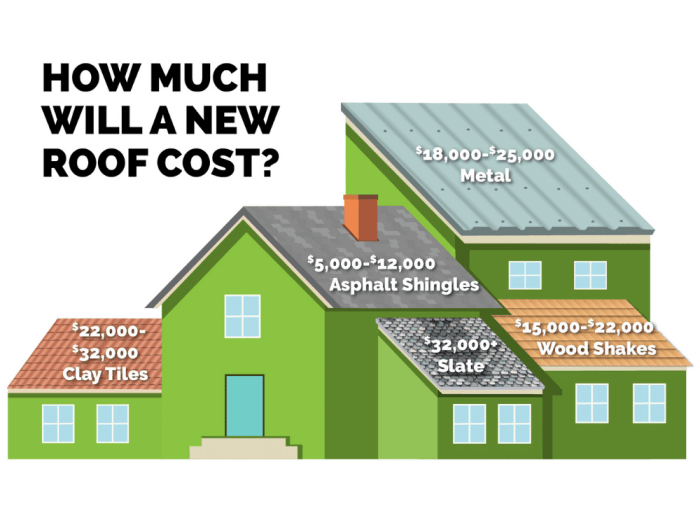
- The materials used: Different roofing materials vary in cost, with options like asphalt shingles, metal, or tile having different price points.
- The contractor chosen: The experience and reputation of the roofing contractor can impact the overall cost of the project.
Comparison of Financing Options
- Personal loans: These usually have fixed interest rates and repayment terms, providing predictability in costs.
- Home equity loans: Using the equity in your home can offer lower interest rates but may put your property at risk if you default on payments.
- Roofing company financing: Some contractors offer financing options with competitive rates, but it's essential to compare them with other offers.
Impact of Interest Rates
Interest rates play a significant role in determining the overall cost of financing a roof replacement. A higher interest rate can lead to increased monthly payments and a higher total repayment amount over the loan term. It's crucial to shop around for the best rates and terms to minimize the cost of financing your roof replacement project.
Types of Financing Options
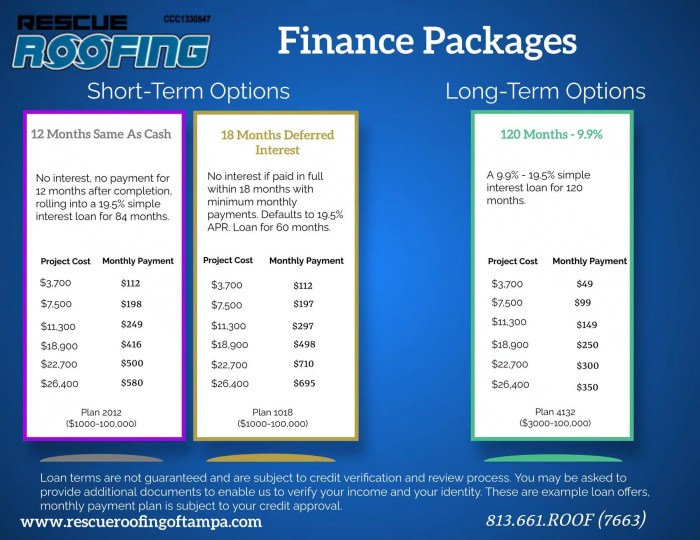
When it comes to financing a roof replacement, there are several options available to homeowners. Each option has its own advantages and drawbacks, so it's important to consider your financial situation and needs before deciding on the best financing route for you.
Personal Loans
Personal loans are unsecured loans that can be used for a variety of purposes, including roof replacements. They typically have fixed interest rates and repayment terms, making it easier to budget for the project. However, personal loans may have higher interest rates compared to other financing options.
Home Equity Loans
Home equity loans allow homeowners to borrow against the equity in their homes to fund a roof replacement. These loans often come with lower interest rates than personal loans because they are secured by the value of the home. However, failing to repay a home equity loan could result in the loss of your home.
Credit Cards
Using a credit card to finance a roof replacement can be a convenient option for smaller projects. However, credit cards typically have higher interest rates than personal or home equity loans, making them a more expensive financing option in the long run.
Government Programs
Some government programs or incentives may be available to help offset the cost of roof replacement for eligible homeowners. For example, energy-efficient upgrades like installing a new roof may qualify for tax credits or rebates.
Comparison Table
| Financing Option | Pros | Cons |
|---|---|---|
| Personal Loans | Fixed interest rates, predictable payments | Higher interest rates |
| Home Equity Loans | Lower interest rates, higher borrowing limits | Risk of losing home if not repaid |
| Credit Cards | Convenient for small projects | High interest rates |
| Government Programs | Potential tax credits or rebates | Eligibility requirements |
Credit Score Requirements
When it comes to securing financing for a roof replacement, your credit score plays a significant role in determining your eligibility and the terms you may qualify for. Lenders use credit scores to assess your creditworthiness and ability to repay the loan, so it's essential to understand how your credit score can impact your financing options.
Typical Credit Score Requirements
Here are the typical credit score requirements for different financing options:
- FHA Title I Loan: Minimum credit score of 580
- Home Equity Loan/HELOC: Minimum credit score of 620
- Personal Loan: Minimum credit score of 640
- Traditional Mortgage Refinance: Minimum credit score of 620
Tips to Improve Credit Scores
If your credit score is below the required threshold for financing, consider these tips to improve it:
- Pay bills on time to establish a positive payment history
- Reduce credit card balances to lower your credit utilization ratio
- Check your credit report for errors and dispute any inaccuracies
- Avoid opening new credit accounts before applying for financing
Checking and Understanding Your Credit Score
Before applying for roof replacement financing, follow these steps to check and understand your credit score:
- Request a free credit report from each of the three major credit bureaus (Equifax, Experian, TransUnion)
- Review your credit report for any errors or discrepancies
- Understand the factors that affect your credit score, such as payment history, credit utilization, and length of credit history
- Monitor your credit score regularly to track your progress and identify areas for improvement
Negotiating Financing Terms
When it comes to financing your roof replacement, negotiating the terms can make a significant difference in the overall cost. By being proactive and strategic, you can secure more favorable terms that align with your financial goals and budget. Here are some key strategies to keep in mind:
Comparing Multiple Quotes
Before committing to a financing option, it's crucial to gather quotes from multiple lenders. By comparing offers, you can identify the most competitive rates and terms available in the market. This allows you to make an informed decision and negotiate better terms down the line.
Leveraging Competitive Offers
Once you have collected quotes from different lenders, use this information to your advantage. Highlight the competitive offers you have received and leverage them during negotiations with other lenders. This can help you secure lower interest rates, reduced fees, or more flexible repayment terms.
Questions to Ask Lenders
When negotiating financing terms for your roof replacement, it's essential to ask the right questions to ensure you fully understand the terms and conditions of the loan. Here are some key questions to consider asking lenders:
- What is the interest rate on the loan?
- Are there any origination or processing fees?
- What is the repayment schedule like?
- Are there any prepayment penalties?
- Is there an option for a fixed or variable interest rate?
By asking these questions and seeking clarification on any unclear terms, you can negotiate more effectively and secure a financing option that best suits your needs.
Conclusive Thoughts
In conclusion, navigating the realm of roof replacement financing cost requires a keen understanding of the different factors at play. By exploring the options, understanding credit score requirements, and learning negotiation strategies, individuals can make informed decisions to finance their roof replacements effectively.
Top FAQs
What factors influence the cost of financing a roof replacement?
The size of the roof, materials used, and labor costs are key factors that can impact the overall cost of financing a roof replacement.
Are there any government programs that can help offset the cost of roof replacement?
Yes, there are programs such as energy-efficient financing initiatives that offer incentives or rebates for roof replacements that meet certain criteria.
How can one improve their credit score to qualify for better financing terms?
Paying bills on time, reducing debt, and checking credit reports for errors are some ways to improve credit scores and qualify for better financing terms.