
Commercial roofing near me sets the stage for this enthralling narrative, offering readers a glimpse into a story that is rich in detail and brimming with originality from the outset. From the importance of maintaining commercial roofing systems to the various materials used and factors to consider when choosing a contractor, this guide covers it all.
As we delve deeper into the world of commercial roofing near me, readers will gain valuable insights into the best practices for maintenance and the key considerations to keep in mind. Whether you're a business owner in need of roofing services or simply curious about the industry, this guide aims to inform and educate.
Importance of Commercial Roofing Services
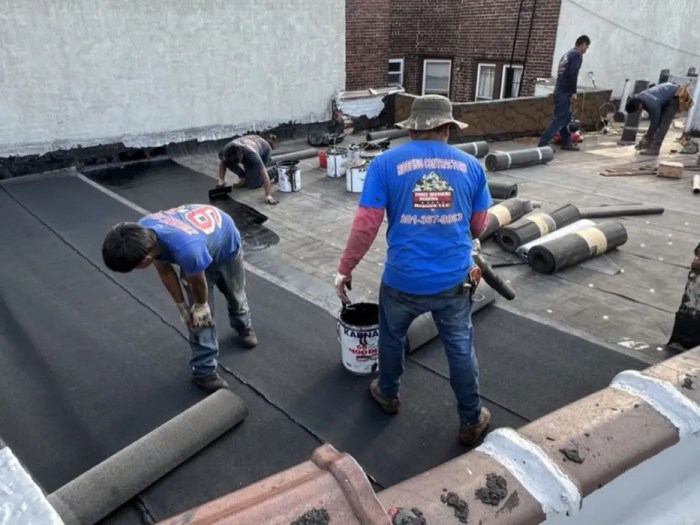
Maintaining a well-functioning commercial roofing system is crucial for businesses to ensure the protection of their assets, employees, and customers. A properly maintained roof can prevent water leaks, mold growth, and structural damage, which can lead to costly repairs and disruptions to business operations.
Extending the Lifespan of a Commercial Roof
- Timely repairs and regular maintenance can help extend the lifespan of a commercial roof, saving businesses money in the long run.
- Proper maintenance can identify and address small issues before they escalate into major problems, increasing the longevity of the roof.
- Regular inspections can also help detect any signs of wear and tear, allowing for prompt repairs to be made to prevent further damage.
Benefits of Hiring Professional Commercial Roofing Services
- Professional roofers have the expertise and experience to accurately assess the condition of a commercial roof and recommend the necessary repairs or maintenance.
- They have access to specialized tools and materials needed to perform high-quality repairs and ensure the longevity of the roof.
- Hiring professional roofing services can save businesses time and effort, as well as reduce the risk of accidents or injuries that may occur during DIY repairs.
Types of Commercial Roofing Materials
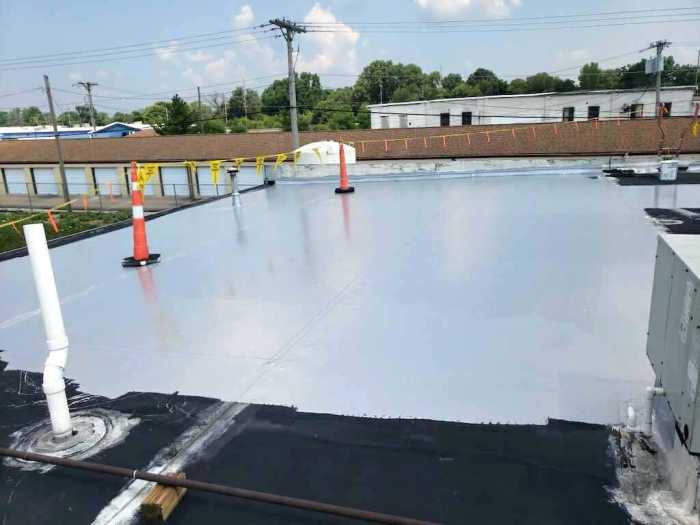
Commercial roofing materials play a crucial role in determining the longevity, durability, and cost-effectiveness of a building's roof. Here are some common materials used in commercial roofing:
EPDM (Ethylene Propylene Diene Terpolymer)
EPDM roofing is known for its durability and resistance to UV rays, weathering, and abrasion. It is cost-effective and requires minimal maintenance. EPDM roofs typically have a lifespan of 20-30 years.
TPO (Thermoplastic Polyolefin)
TPO roofing is a popular choice due to its energy efficiency, flexibility, and ease of installation. It offers excellent resistance to UV rays and chemicals. TPO roofs can last up to 30 years with proper care.
Metal Roofing
Metal roofing is known for its longevity, durability, and recyclability. It offers excellent protection against extreme weather conditions and fire. While metal roofs have a higher upfront cost, they can last 40-70 years or more.
Modified Bitumen
Modified bitumen roofing is a multi-layered system that provides excellent waterproofing and flexibility. It is ideal for low-slope roofs and offers good resistance to foot traffic and punctures. Modified bitumen roofs can last 20-30 years.
Green Roofing
Green roofing systems involve the installation of vegetation or plants on the roof surface. They provide insulation, reduce energy costs, and improve air quality. While green roofs require more maintenance, they offer environmental benefits and can extend the lifespan of the roof.
Comparing Durability and Cost-Effectiveness
- EPDM and TPO roofs are cost-effective options with good durability, while metal roofing offers the longest lifespan but comes with a higher initial cost.
- Modified bitumen roofing provides a balance between durability and cost, making it a popular choice for commercial buildings.
- Green roofing systems offer environmental benefits but may require more maintenance compared to traditional roofing materials.
Environmental Impact
- EPDM, TPO, and metal roofing materials are recyclable, reducing waste and promoting sustainability.
- Green roofing systems contribute to energy efficiency, reduce urban heat island effect, and improve air quality.
- Choosing environmentally friendly roofing materials can help reduce a building's carbon footprint and support sustainability efforts in the construction industry.
Factors to Consider When Choosing a Commercial Roofing Contractor
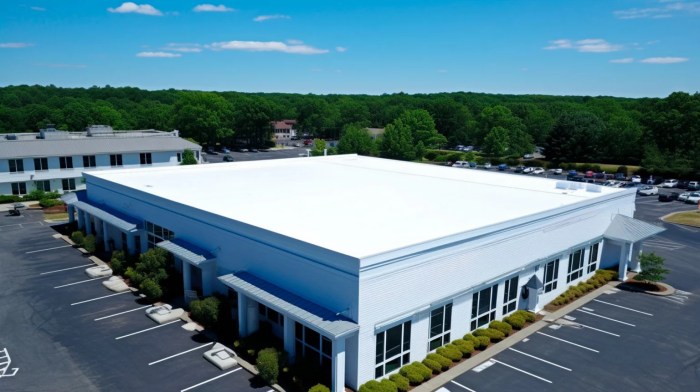
When it comes to selecting a commercial roofing contractor for your business, there are several important factors to consider. From qualifications to experience, finding the right contractor can make a significant difference in the outcome of your roofing project.
Qualifications and Certifications
One of the first things to look for in a reputable commercial roofing contractor is their qualifications and certifications. Make sure they are licensed and insured to ensure they meet industry standards and regulations.
Checking References and Reviews
Before hiring a commercial roofing company, it is crucial to check references and reviews from previous clients. This will give you an idea of the contractor's reputation, quality of work, and customer satisfaction. A contractor with positive reviews and satisfied customers is more likely to provide excellent service.
Experience and Expertise
Experience and expertise play a vital role in selecting the right commercial roofing contractor. Look for a contractor who has a proven track record of completing similar projects successfully. An experienced contractor will have the knowledge and skills to handle any challenges that may arise during the project.
Commercial Roofing Maintenance Tips
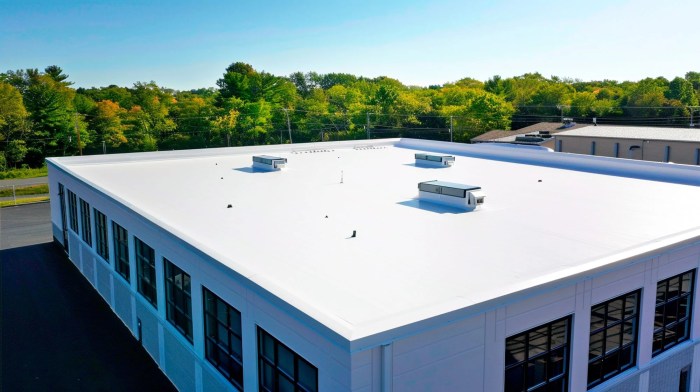
Regular maintenance is crucial for keeping commercial roofs in good condition and extending their lifespan. Here are some essential tips to ensure your commercial roof stays in top shape:
Regular Roof Inspections
- Schedule regular inspections by professional roofing contractors to identify any issues early on.
- Inspect the roof after severe weather events to check for damage.
- Look for signs of water damage, leaks, or mold growth during inspections.
Proactive Maintenance
- Keep gutters and drains clear of debris to prevent water buildup on the roof.
- Trim overhanging branches to prevent damage from falling limbs.
- Check for signs of wear and tear on roofing materials and address them promptly.
Preventative Measures
- Apply protective coatings to prolong the life of the roof and enhance its durability.
- Ensure proper ventilation to prevent moisture buildup that can lead to roof damage.
- Address any minor issues before they escalate into major problems that require costly repairs.
Outcome Summary
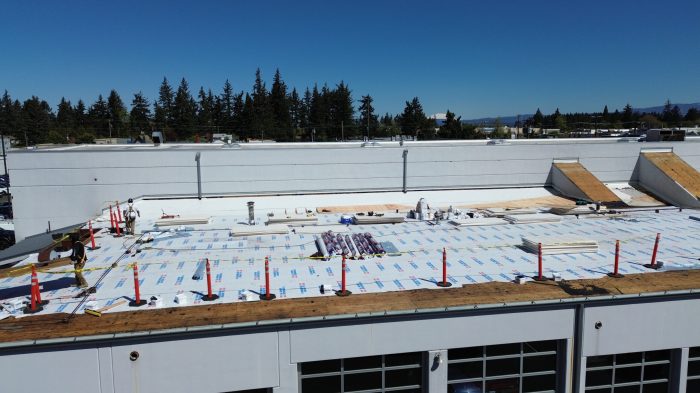
In conclusion, commercial roofing near me is a crucial aspect of maintaining a business property. By understanding the importance of regular maintenance, the various materials available, and how to choose the right contractor, businesses can ensure their roofs remain in top condition.
Armed with this knowledge, navigating the world of commercial roofing near me becomes a simpler and more manageable task for all.
FAQ Corner
What are the benefits of hiring professional commercial roofing services?
Professional commercial roofing services can ensure high-quality workmanship, timely repairs, and expert advice on maintaining commercial roofs, ultimately extending their lifespan and preventing costly issues.
How can regular roof inspections benefit commercial properties?
Regular roof inspections help identify potential issues early, allowing for timely repairs and maintenance that can prevent more extensive damage and costly repairs in the long run.
What types of materials are commonly used in commercial roofing?
Common materials used in commercial roofing include EPDM, TPO, metal, and others. Each material has its own advantages in terms of durability, cost-effectiveness, and environmental impact.