
Stepping into the realm of commercial metal roofing systems, readers are invited to explore the realm of top-notch structures designed for durability and efficiency. This passage sets the stage for a comprehensive dive into the world of metal roofing, ensuring a captivating and informative journey ahead.
Detailing the various aspects of metal roofing systems, from installation to maintenance, this guide aims to provide a thorough understanding of the topic at hand.
Overview of Commercial Metal Roofing Systems
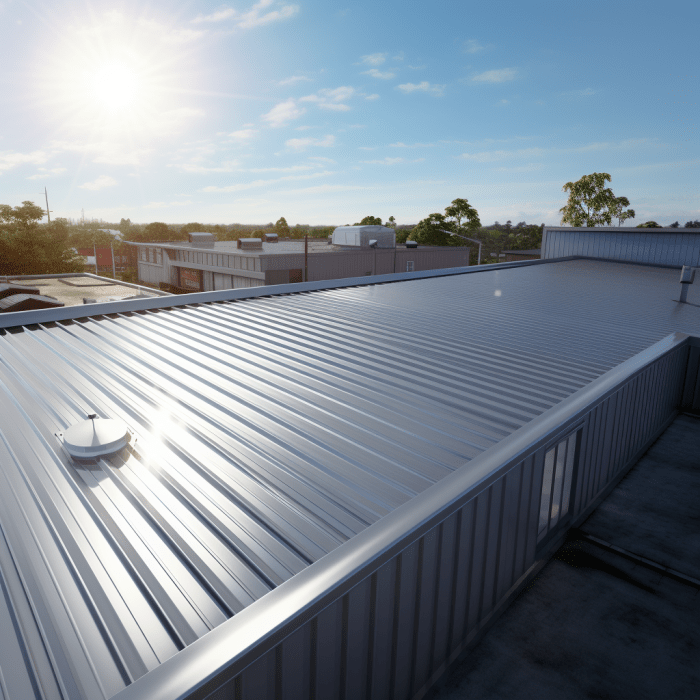
Metal roofing systems have become increasingly popular for commercial buildings due to their numerous advantages. These advantages include high durability, longevity, energy efficiency, and low maintenance requirements. Metal roofs are also environmentally friendly as they are often made from recycled materials and are fully recyclable at the end of their lifespan.
Types of Metal Roofing Materials
Metal roofing materials commonly used in commercial applications include:
- Steel: Known for its strength and affordability, steel is a popular choice for commercial metal roofing.
- Aluminum: Lightweight and resistant to corrosion, aluminum is ideal for coastal or humid environments.
- Copper: Highly durable and visually appealing, copper roofs are often chosen for their aesthetic value.
- Zinc: Offers excellent resistance to corrosion and requires minimal maintenance over its long lifespan.
Durability and Longevity
Metal roofing systems are known for their exceptional durability and longevity compared to other roofing materials. When properly installed and maintained, metal roofs can last 50 years or more, outlasting traditional asphalt shingles by a significant margin. Metal roofs are also resistant to fire, mildew, insects, and rot, making them a reliable choice for commercial buildings in various climates.
Installation Process and Considerations
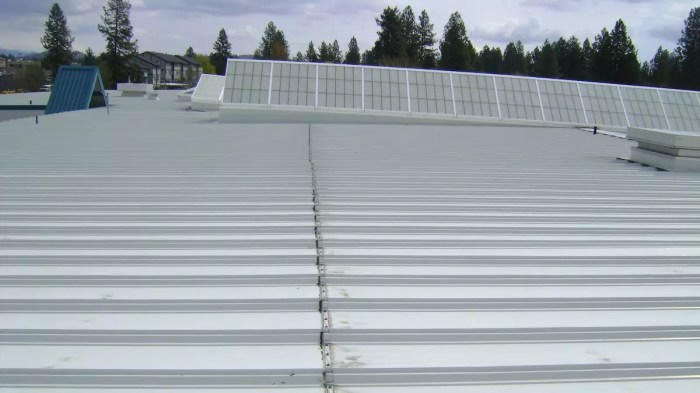
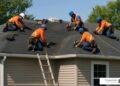
Metal roofing systems are a popular choice for commercial buildings due to their durability and longevity. Proper installation is crucial to ensure the roof performs well over time. Here are the key steps involved in installing a commercial metal roofing system:
Steps in Installing a Commercial Metal Roofing System
- 1. Preparation: This involves inspecting the existing roof, removing any old materials, and ensuring the roof deck is in good condition.
- 2. Installation of Underlayment: A proper underlayment is essential to prevent leaks and provide additional protection.
- 3. Roof Panel Installation: Metal roof panels are installed according to the manufacturer's guidelines, ensuring a secure and weather-tight fit.
- 4. Flashing and Trim Installation: Flashing and trim are added to the roof edges and penetrations to prevent water infiltration.
- 5. Fastening: Metal roof panels are fastened securely to the roof deck to withstand wind uplift and other forces.
- 6. Finishing Touches: The installation is completed with sealants and finishing details to enhance the roof's appearance and performance.
Considerations for Selecting the Right Metal Roofing System
- 1. Climate and Environment: Choose a metal roofing system that can withstand the specific weather conditions in your area.
- 2. Building Design and Use: Consider the architectural style of the building and the intended use to select a suitable metal roof.
- 3. Budget and Long-Term Costs: Evaluate the initial cost of the roofing system and its long-term maintenance requirements.
- 4. Energy Efficiency: Opt for metal roofing systems with proper insulation to improve energy efficiency and reduce heating and cooling costs.
Importance of Proper Insulation and Ventilation
Proper insulation and ventilation play a crucial role in the performance of a metal roofing system. Insulation helps regulate indoor temperatures, reduce energy costs, and prevent condensation issues. Adequate ventilation ensures airflow under the roof, preventing moisture buildup and extending the life of the roof.
It is essential to work with a professional roofing contractor to ensure proper insulation and ventilation in your commercial metal roofing installation.
Maintenance and Repairs
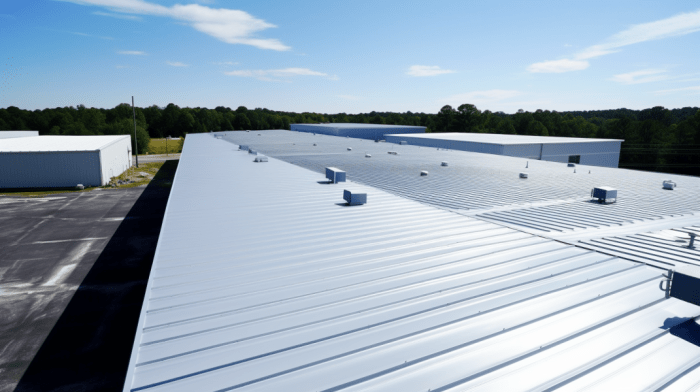
Metal roofs are known for their durability, but proper maintenance is key to ensuring their longevity. Regular upkeep and timely repairs can help prevent issues and extend the lifespan of your commercial metal roof.
Best Practices for Maintenance
- Regular Inspections: Schedule routine inspections at least twice a year to check for any damage, loose fasteners, or signs of wear and tear.
- Clean Gutters: Keep gutters clear of debris to prevent water backup, which can lead to leaks and damage.
- Trim Overhanging Branches: Trim trees near the roof to prevent branches from scratching or falling onto the metal surface.
- Address Repairs Promptly: If you notice any issues during inspections, such as rust spots or loose panels, address them promptly to prevent further damage.
Common Issues and Solutions
- Corrosion: Metal roofs can be prone to corrosion, especially in coastal areas. Apply a protective coating or paint to prevent rust formation.
- Leaks: Inspect seams and flashing for any signs of leaks and seal them with appropriate sealants to prevent water infiltration.
- Denting: Hail or heavy objects can cause dents in metal roofs. Consider installing protective padding or contacting a professional for repairs.
Frequency of Inspections
Regular inspections are crucial for maintaining a commercial metal roof. Consider scheduling inspections at least twice a year, preferably in the spring and fall, to catch any issues early and prevent costly repairs down the line.
Cost Analysis and Return on Investment
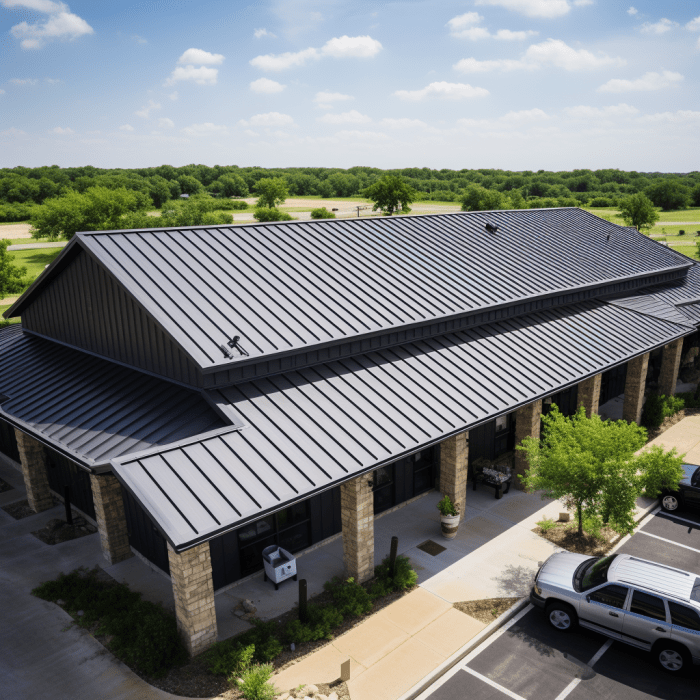
Metal roofing systems may have a higher initial cost compared to traditional roofing materials like asphalt or shingles. However, it is important to consider the long-term cost savings that metal roofs can provide. The durability, longevity, and energy efficiency of metal roofing systems can lead to significant cost benefits over time.
Cost Comparison
- Metal roofing systems may cost more upfront, but they have a longer lifespan than traditional roofing materials. This means that you may not need to replace or repair your roof as frequently, resulting in cost savings in the long run.
- Additionally, metal roofs are more energy efficient, reflecting sunlight and reducing cooling costs in the summer months. This can lead to lower energy bills and further cost savings over time.
- While the initial investment in a metal roofing system may be higher, the return on investment is often greater due to the reduced maintenance and energy costs associated with metal roofs.
Factors Contributing to Return on Investment
- Durability: Metal roofs are known for their durability and longevity, requiring less maintenance and repair compared to other roofing materials.
- Energy Efficiency: Metal roofs are highly reflective and can reduce energy costs by keeping buildings cooler in the summer, leading to lower air conditioning expenses.
- Resale Value: A commercial building with a metal roof may have a higher resale value due to the perceived quality and durability of metal roofing systems.
- Insurance Discounts: Some insurance companies offer discounts for buildings with metal roofs due to their fire resistance and durability.
End of Discussion
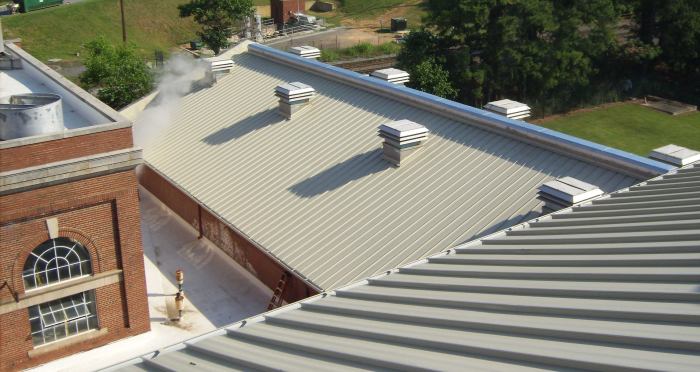
Wrapping up our exploration of commercial metal roofing systems, we've delved into the key elements that make these structures a popular choice for commercial buildings. From durability to cost-effectiveness, the versatility of metal roofing shines through, offering a reliable and long-lasting solution for businesses.
Questions Often Asked
What are the advantages of using metal roofing for commercial buildings?
Metal roofing offers superior durability, longevity, and energy efficiency compared to other roofing materials, making it a cost-effective choice for commercial properties.
How often should commercial metal roofs be inspected and maintained?
It is recommended to have regular inspections at least twice a year to identify and address any potential issues early on, ensuring the longevity of the roof.
What factors contribute to the return on investment of a commercial metal roof?
The initial cost savings, energy efficiency, and long lifespan of metal roofing systems all play a role in determining the return on investment for commercial properties.