
Roofing energy rebate programs offer a valuable opportunity for homeowners and businesses to save money while promoting energy-efficient roofing solutions. As we delve into the intricacies of these programs, a world of potential cost savings and environmental benefits unfolds before us.
From understanding the eligibility criteria to exploring the impact on sustainable practices, this guide will equip you with essential knowledge to navigate the realm of roofing energy rebate programs with confidence.
Introduction to Roofing Energy Rebate Programs
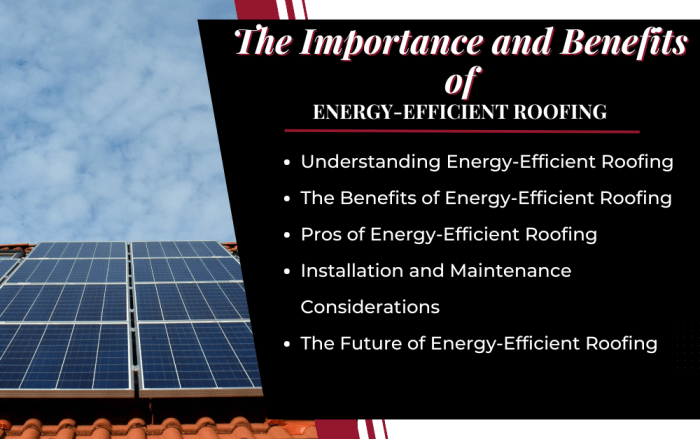
Roofing energy rebate programs are initiatives offered by organizations or government entities to incentivize the installation of energy-efficient roofing solutions. These programs aim to promote sustainability and reduce energy consumption in buildings.
Importance of Roofing Energy Rebate Programs
Roofing energy rebate programs play a crucial role in encouraging property owners to invest in sustainable roofing options. By providing financial incentives, these programs help offset the initial cost of installing energy-efficient roofs, making them more accessible to a wider audience.
- Reducing Energy Costs: Energy-efficient roofing solutions can help lower utility bills by improving insulation and reducing the need for heating and cooling.
- Environmental Impact: By promoting the use of sustainable materials and technologies, roofing energy rebate programs contribute to reducing carbon emissions and environmental impact.
- Long-Term Savings: Investing in energy-efficient roofing can lead to long-term savings for property owners through reduced maintenance and energy costs over time.
Organizations Offering Roofing Energy Rebate Programs
Several organizations and government entities provide roofing energy rebate programs to support sustainable building practices. Some examples include:
- Energy Star: A program by the U.S. Environmental Protection Agency that offers rebates for energy-efficient roofing materials and products.
- Local Utility Companies: Many utility companies offer rebates or incentives for installing energy-efficient roofs to promote energy conservation among their customers.
- Green Building Councils: Organizations like the U.S. Green Building Council provide certification programs and rebates for sustainable building practices, including energy-efficient roofing.
Eligibility Criteria for Roofing Energy Rebate Programs
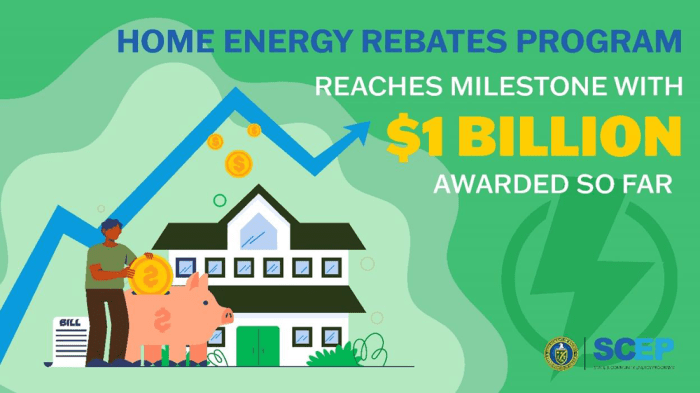
To qualify for roofing energy rebate programs, homeowners or businesses typically need to meet certain requirements set by the program administrators. These requirements may vary depending on the specific program or region.
Type of Roofing Materials
- Roofing materials must meet certain energy efficiency standards to be eligible for rebates.
- Commonly accepted materials include cool roofs, metal roofs, or energy-efficient shingles.
- Some programs may require specific certifications or ratings for the roofing materials used.
Homeowner or Business Criteria
- Applicants must be the property owner or have permission to make energy-efficient upgrades.
- Proof of residency or ownership may be required to qualify for rebates.
- Income restrictions or other financial criteria may apply in some programs.
Regional Variances
- Eligibility criteria can differ based on the location of the property and the available resources in that region.
- Some areas may prioritize specific types of energy-efficient roofing systems over others.
- Local regulations and climate considerations may also impact eligibility requirements.
Benefits of Participating in Roofing Energy Rebate Programs
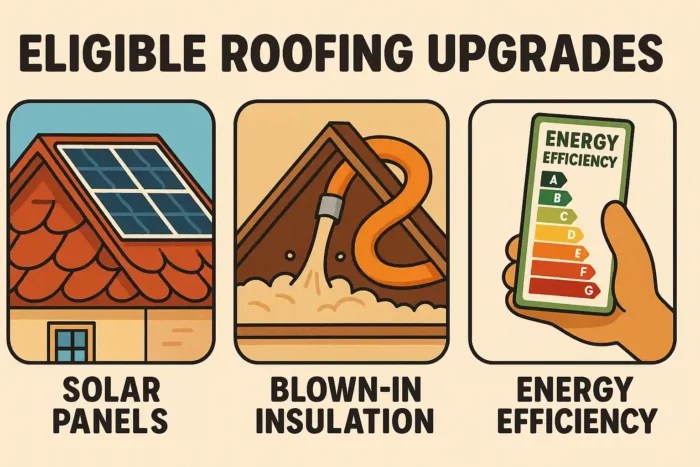
Participating in roofing energy rebate programs can offer numerous advantages for homeowners or businesses looking to improve energy efficiency and save on costs. By taking advantage of these programs, participants can benefit in the following ways:
Cost Savings
- One of the primary benefits of participating in roofing energy rebate programs is the potential for significant cost savings. Through rebates and incentives offered by these programs, participants can offset the initial investment in energy-efficient roofing materials or upgrades.
- Reducing energy consumption through improved roofing can lead to lower utility bills over time, contributing to long-term savings for homeowners or businesses.
Energy Efficiency Improvements
- Upgrading to energy-efficient roofing materials can enhance the overall energy efficiency of a building. By reducing heat loss in the winter and heat gain in the summer, energy-efficient roofs can help maintain a comfortable indoor temperature year-round.
- Improved energy efficiency can also reduce the carbon footprint of a building, contributing to environmental sustainability and promoting a greener approach to energy consumption.
Success Stories and Case Studies
For example, a homeowner who participated in a roofing energy rebate program reported a 20% decrease in their monthly energy bills after upgrading to reflective roof shingles. This success story highlights the tangible benefits of participating in such programs.
Similarly, a commercial building owner saw a return on investment within two years of installing energy-efficient roofing materials through a rebate program. This case study demonstrates the financial rewards that can result from taking part in these initiatives.
Application Process for Roofing Energy Rebate Programs
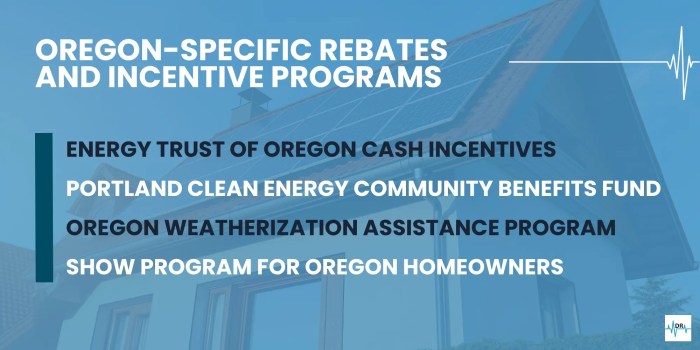
When applying for roofing energy rebate programs, it is essential to follow a structured process to ensure a smooth and successful application. Below are the steps involved in applying for these programs along with some tips to help you navigate the application process efficiently.
Step 1: Research Eligibility Requirements
- Before starting the application, make sure to thoroughly research and understand the eligibility criteria for the roofing energy rebate programs.
- Check if your roofing project meets the specific requirements set by the program to qualify for rebates.
Step 2: Gather Required Documentation
- Prepare all necessary documents such as proof of ownership, contractor estimates, and other relevant information needed for the application.
- Ensure that the documentation is complete and accurate to prevent any delays in the processing of your application.
Step 3: Complete the Application Form
- Fill out the application form with accurate information and double-check for any errors before submission.
- Provide detailed information about your roofing project and how it meets the energy efficiency standards required for rebates.
Step 4: Submit the Application
- Submit your completed application along with all the required documentation through the designated channel specified by the program.
- Make sure to meet the deadline for submission to avoid missing out on the opportunity to receive rebates.
Step 5: Await Approval and Verification
- After submitting your application, wait for the program administrators to review your submission and verify the information provided.
- Be prepared to answer any additional questions or provide further documentation if requested during the verification process.
Step 6: Receive Rebate Benefits
- If your application is approved, you will receive the rebate benefits as per the program guidelines.
- Make sure to comply with any post-installation requirements or inspections to ensure that you receive the full rebate amount.
Impact of Roofing Energy Rebate Programs on Sustainable Practices
Energy rebate programs for roofing play a crucial role in promoting sustainable practices within the roofing industry. By incentivizing the use of energy-efficient roofing solutions, these programs contribute significantly to reducing the environmental impact of buildings and lowering energy consumption.
Environmental Benefits of Energy-Efficient Roofing Solutions
Energy-efficient roofing solutions, such as cool roofs or green roofs, help in reducing the heat absorbed by buildings, thereby decreasing the need for excessive air conditioning. This leads to lower energy consumption, reduced greenhouse gas emissions, and ultimately contributes to a healthier environment.
Moreover, these roofing solutions also improve air quality by mitigating the urban heat island effect and promoting biodiversity in urban areas.
Long-Term Impact on Reducing Carbon Footprint and Energy Consumption
By encouraging the adoption of energy-efficient roofing technologies, rebate programs have a long-term impact on reducing the carbon footprint of buildings. As buildings account for a significant portion of global energy consumption and greenhouse gas emissions, the widespread implementation of energy-efficient roofing solutions can lead to substantial energy savings and environmental benefits.
Additionally, the reduced energy consumption results in lower utility bills for building owners, making it a win-win situation for both the environment and the economy.
Concluding Remarks
In conclusion, roofing energy rebate programs not only provide financial incentives but also pave the way for a more sustainable future in the roofing industry. By participating in these programs, individuals and businesses can make significant strides towards energy efficiency and environmental conservation.
FAQ
What are the typical requirements for homeowners or businesses to qualify for roofing energy rebate programs?
Typical requirements may include using specific roofing materials or systems that meet energy-efficient standards and submitting proof of purchase or installation.
How do roofing energy rebate programs contribute to promoting sustainability in the roofing industry?
These programs encourage the use of environmentally friendly roofing solutions, reducing energy consumption and carbon footprint in the long run.
Are there specific documents or information needed during the application process for roofing energy rebate programs?
Documentation such as receipts, proof of installation, and details of the roofing materials used may be required for the application.