
Energy efficient roofing systems offer homeowners a cost-effective solution to reduce energy consumption while also benefiting the environment. In this detailed discussion, we will delve into the advantages, materials, installation process, and maintenance of energy efficient roofing systems.
Benefits of Energy Efficient Roofing Systems
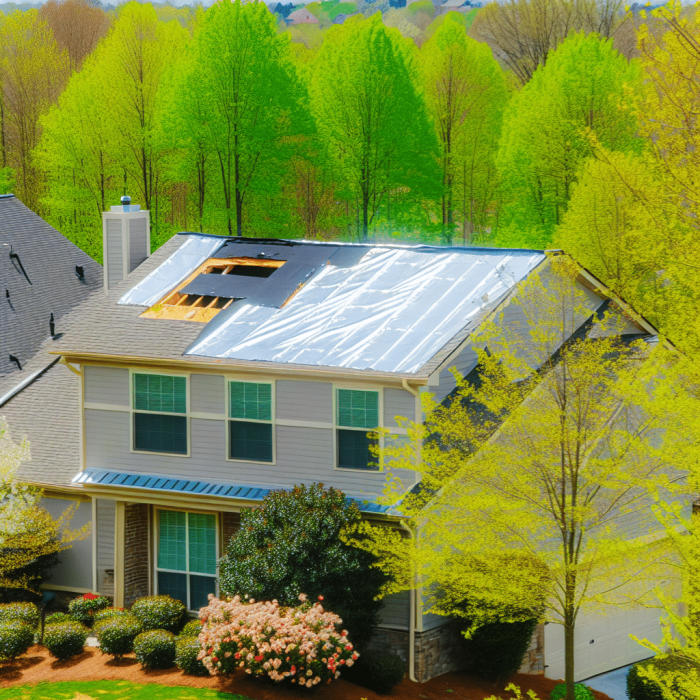
Energy efficient roofing systems offer a range of advantages for homeowners, both in terms of cost savings and environmental impact. By investing in these systems, homeowners can enjoy reduced energy costs and contribute to a more sustainable future.
Lower Energy Costs
- Energy-efficient roofing systems help regulate indoor temperatures, reducing the need for heating and cooling.
- By minimizing heat transfer, these roofs can decrease energy consumption, leading to lower utility bills.
- Insulation provided by energy-efficient roofs can also extend the lifespan of HVAC systems, reducing maintenance costs.
Environmental Benefits
- Energy-efficient roofing systems can help reduce greenhouse gas emissions by lowering energy consumption.
- By decreasing the demand for electricity, these roofs contribute to a smaller carbon footprint.
- Some energy-efficient roofing materials are also recyclable, further reducing environmental impact.
Types of Energy Efficient Roofing Materials
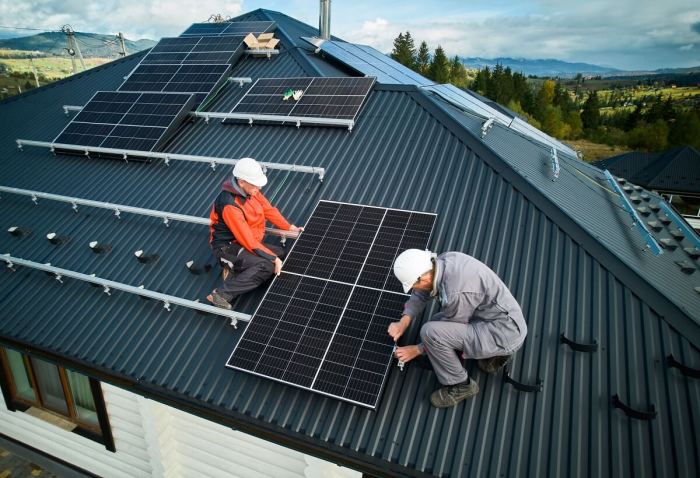
When it comes to energy-efficient roofing systems, the choice of materials plays a crucial role in determining the overall efficiency and sustainability of the roof. Different materials offer varying levels of energy efficiency, durability, and longevity. Let's explore some of the common types of materials used in energy-efficient roofing systems.
Solar Reflective Roofing Materials
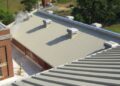
Solar reflective roofing materials, such as cool roofs, are designed to reflect sunlight and heat away from the building, reducing the amount of heat absorbed by the roof. These materials help in keeping the building cool, reducing the need for air conditioning and lowering energy costs.
Vegetative Roofing Systems
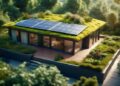
Vegetative roofing systems, also known as green roofs, consist of a layer of vegetation planted on the roof surface. These systems provide natural insulation, reduce stormwater runoff, and improve air quality. They also help in reducing the urban heat island effect and increasing the lifespan of the roof membrane.
Metal Roofing
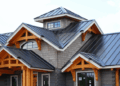
Metal roofing is a popular choice for energy-efficient roofs due to its high reflectivity and durability. Metal roofs can be made from recycled materials and are fully recyclable at the end of their lifespan. They also have a long life expectancy, reducing the need for frequent roof replacements.
Tile Roofing
Tile roofing, especially clay or concrete tiles, is another energy-efficient option for roofs. These materials provide natural insulation, keeping the building cool in hot climates. They are also durable and have a long lifespan, making them a sustainable choice for energy-efficient roofing systems.
Slate Roofing
Slate roofing is known for its durability and natural beauty. While it may have a higher upfront cost, slate roofs have a long lifespan and require minimal maintenance. They provide excellent insulation and are highly resistant to fire, making them a sustainable choice for energy-efficient roofs.
Installation Process of Energy Efficient Roofing Systems
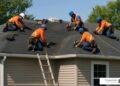
Proper installation of energy-efficient roofing systems is crucial for maximizing energy efficiency and ensuring the longevity of the roof. The installation process involves several key steps that need to be followed meticulously to achieve the desired results.
Step-by-Step Guide for Installing Energy Efficient Roofing Systems
- 1. Inspection and Preparation: Before installation, the existing roof should be inspected for any damage or issues that need to be addressed. Proper preparation of the roof surface is essential for the installation of the new roofing system.
- 2. Roof Deck Installation: The roof deck serves as the foundation for the roofing system. It should be properly installed and sealed to prevent any leaks or moisture infiltration.
- 3. Installation of Insulation: Energy-efficient roofing systems often include insulation materials to improve thermal performance. The insulation should be installed correctly to minimize heat loss or gain.
- 4. Application of Energy-Efficient Roofing Materials: The selected energy-efficient roofing materials, such as cool roofs or green roofs, should be installed according to manufacturer guidelines to ensure optimal performance.
- 5. Sealing and Finishing: Proper sealing of seams, edges, and penetrations is essential to prevent water leaks and air infiltration. The finishing touches, such as flashing and trim work, should also be done meticulously.
Importance of Proper Installation
Proper installation of energy-efficient roofing systems is essential for maximizing their energy-saving potential. A poorly installed roof can lead to air leaks, thermal bridging, and reduced performance, negating the benefits of energy efficiency.
Special Considerations for Installation
- - Proper Ventilation: Adequate ventilation is crucial for maintaining the performance and longevity of the roofing system.
- - Waterproofing: Ensuring proper waterproofing measures are in place can prevent water damage and prolong the life of the roof.
- - Professional Installation: Hiring experienced and certified roofing contractors is recommended to ensure the proper installation of energy-efficient roofing systems.
Maintenance and Upkeep of Energy Efficient Roofing Systems
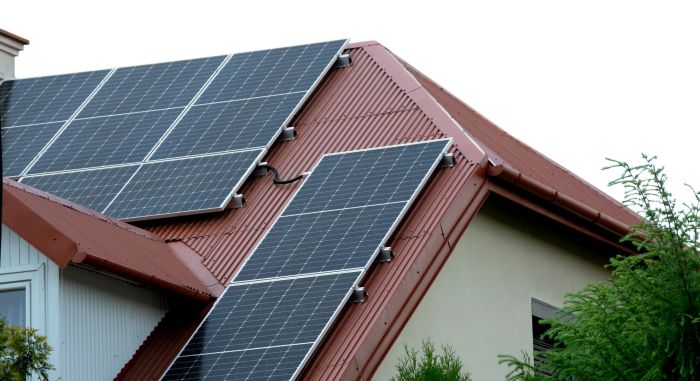
Maintaining energy-efficient roofing systems is crucial to ensure their longevity and optimal performance. Regular care and upkeep not only help in preserving the energy-saving features but also prevent potential damage that could lead to costly repairs in the future.Proper maintenance of energy-efficient roofing systems can result in significant cost savings over time.
By addressing small issues promptly and conducting routine inspections, you can avoid major repairs or premature replacement of the roofing materials. This proactive approach not only saves money but also contributes to the overall sustainability of your building.
Tips for Maintaining Energy Efficient Roofing Systems
- Regular Inspections: Conduct thorough inspections at least twice a year to check for any signs of damage, leaks, or debris accumulation.
- Clean Gutters and Downspouts: Ensure that gutters and downspouts are clear of debris to prevent water backup and potential water damage.
- Trim Overhanging Branches: Trim trees near the roof to prevent branches from causing damage or blocking sunlight that could affect the energy efficiency of the roofing system.
- Seal Cracks and Gaps: Check for any cracks or gaps in the roofing materials and seal them promptly to prevent water infiltration and heat loss.
Cost Savings through Regular Maintenance
Maintaining energy-efficient roofing systems on a regular basis can lead to significant cost savings in the long run. By addressing minor issues early on, you can prevent them from escalating into major problems that require expensive repairs or replacements. Investing in routine maintenance can help extend the lifespan of the roofing materials and ensure that your building remains energy-efficient for years to come.
Final Summary
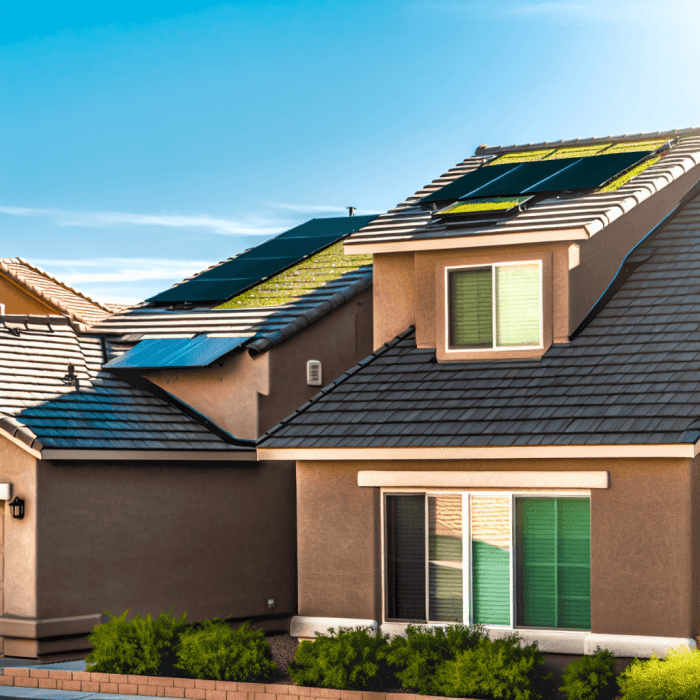
In conclusion, energy efficient roofing systems not only provide financial savings but also contribute to a greener environment. By understanding the various aspects of these systems, homeowners can make informed decisions for a sustainable future.
FAQ Corner
What are the environmental benefits of energy efficient roofing systems?
Energy efficient roofing systems can help reduce carbon emissions and lower energy consumption, thus promoting a healthier environment.
How do energy efficient roofing materials compare in terms of durability?
Energy efficient roofing materials are often more durable and long-lasting compared to traditional roofing materials, providing better value in the long run.
What steps are involved in the installation process of energy efficient roofing systems?
The installation process includes proper insulation, sealing, and ventilation to ensure maximum energy efficiency.
How can homeowners maintain energy efficient roofing systems?
Regular inspections, cleaning of debris, and prompt repairs can help maintain the efficiency and prolong the lifespan of energy efficient roofing systems.